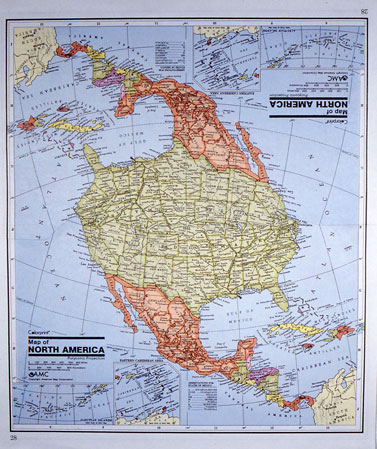
{geographic pathologies (1996)}
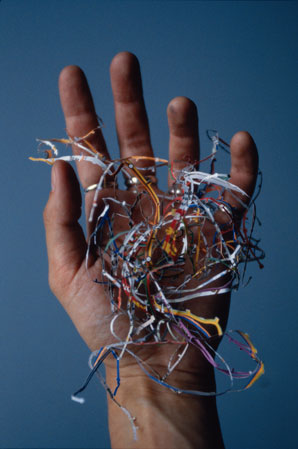
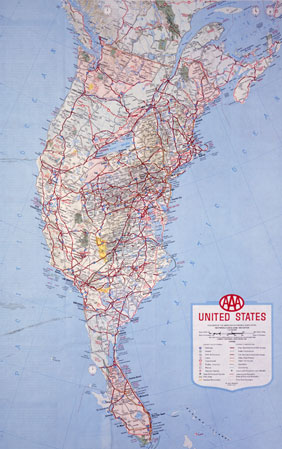
{hand held subway (1996); coastal merger (1993)}


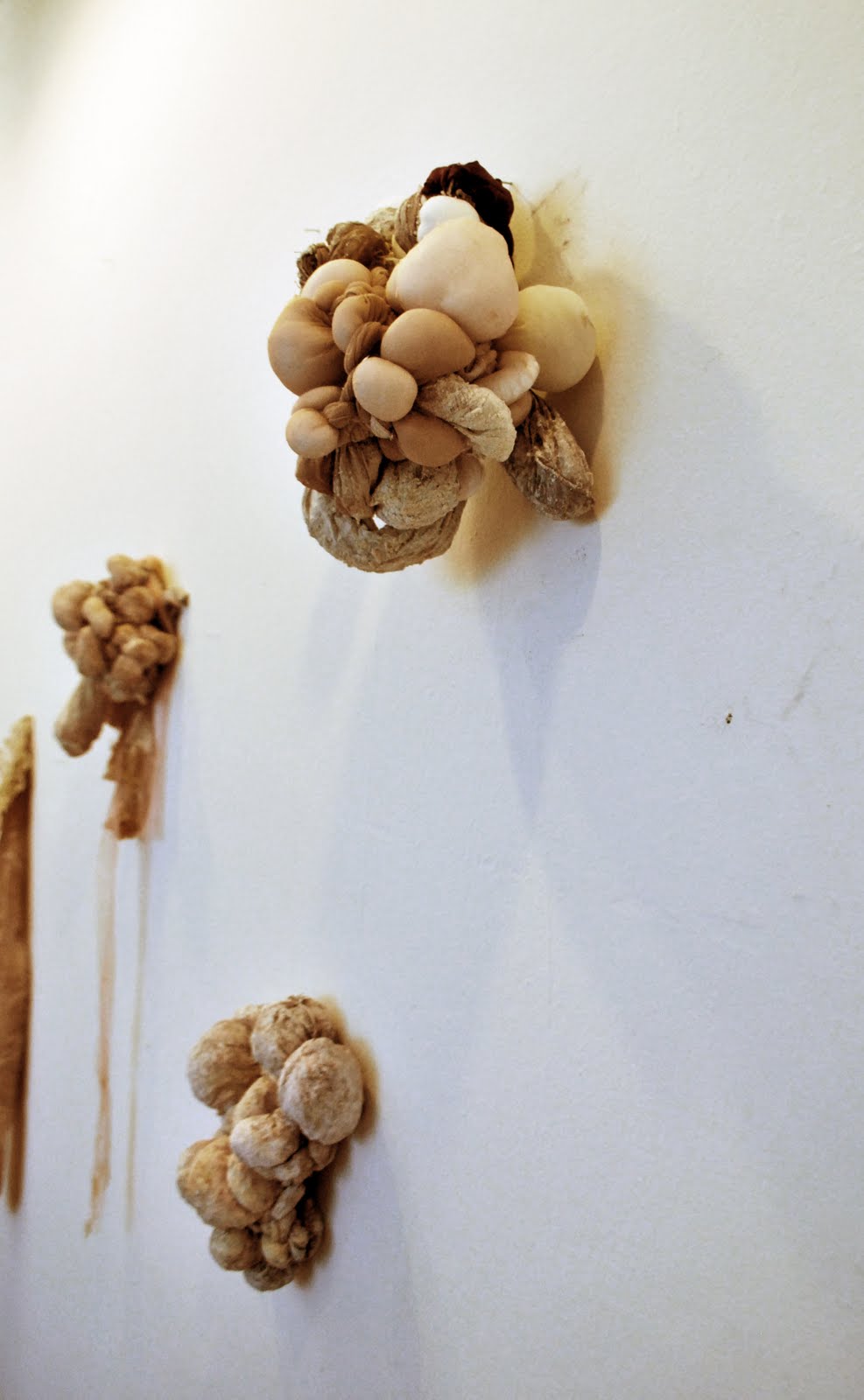


 I was talking to eyla last night about why making a drawing of a material seam drawing would be useful, because i keep thinking about it. She said that the act of drawing something better informs the drawer of the object being drawn, especially if the drawer made the object to begin with. Also there is the possibility of inventing things that arent there, both materially and also in terms of the drawers' personal attachment to the thing. it reminded me of my desire to invent stories that didn't actually happen to an object, like in the case of the bargain barn. all the imagined histories, and possibilities of unknown experience. Today i was thinking about how the seam drawings can take so many iterations, depending on how i decide to hang them-- it sort of reminds me of james welling and his photos of aluminum foil. he sees the foil as a 'machine to manufacture randomness' -- an analogy for language in the way that it uses the same words over and over but is constantly reconfigured. I feel like my interest in the hoarders and simultaneous obsession with organized closets mirrors my ideas about my own artistic practice-- when am i artistically free and when am i following a system of rules? my thesis was the collision of followed and missfollowed, making and unmaking. my actual practice of making art is similar-- whim and system.
 so last night i stayed up in the wee hours watching marie antoinette and putting together my printed sari piece. it is 4 parts, these double ended swimsuits that will all link together like a chain. while i was at the fabric workshop in philly i printed these flat patterns onto repeat yardage, and towards the end was experimenting with printing on random stuff i found at army surplus and thrift stores. there was a salvation army near the trader joes i went to with some friends, and i remember this specific thrifting trip i was looking for blankets or bedding to print on, sort of inspired by the comme des garcons use of blankets in this collection. didn't find any blankets, but i did find about 9 yards of beautiful indian silk for $10. there was a woman in the store (white, in her 60s, sort of 'new agey') who sort of cornered me trying to get me to give her the fabric-- i love it when this happens in thrift stores, its then that you really know you scored. but anyway, her sob story: she told me (long windedly) that this was was a very special sari and that she knew all about them because she had traveled a lot in india and even had worn something very similar at her wedding 40 years previous. she told me she still remembered the specific way to tie and drape the thing and began to dress me in it, wrapping the fine silk over all my winter clothes so that i looked like a very wide silk burrito. she was taking a very long time, struggling to remember the exact way to pleat and wrap and knot the thing around me, and i could tell she couldn't remember and was very adamant in proving that she deserved to own the thing. and then, and this is the best part, an indian woman intercepts the new-ager's wrapping struggle and is like, 'um, i'm actually indian and i tie these all the time, let me just do it, it will take a second.' and the indian woman re-wraps me and i look puffy and awesome. the whole time she's wrapping me the new-ager is making weird references to her
  time in india as if it were more legitimate than the actual indian lady's experiences. it was silly and funny to be the prop in such a hissy fit. but anyway, because i'm not very nice, i never gave the sari to the new age lady. as i printed on it at the workshop with permanent black ink, and then as i cut the thing to pieces, i thought sorry, in my head to this lady. sorry, sari.


